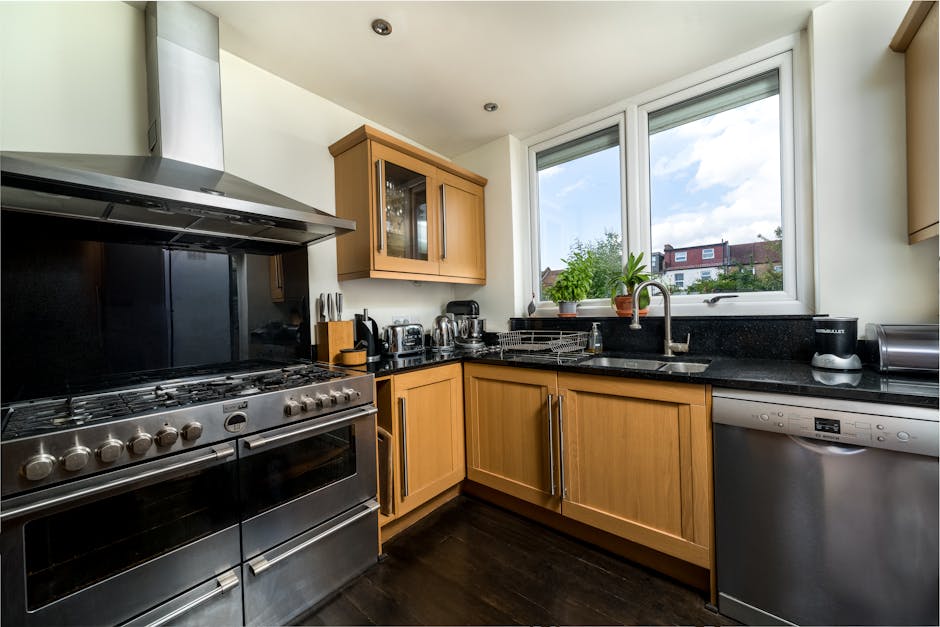
End of tenancy cleaning on Flask Walk NW3
Posted on 06/06/2026
End of Tenancy Cleaning on Flask Walk NW3: A Practical Local Guide
If you are moving out of a flat or house on Flask Walk NW3, end of tenancy cleaning can feel like one more job on an already crowded moving list. Boxes everywhere. Keys to hand back. That last sweep through the kitchen where you notice the oven is not quite as clean as you remembered. In real life, that final clean matters a lot more than people expect.
This guide explains end of tenancy cleaning on Flask Walk NW3 in plain English: what it includes, why it matters, how the process usually works, and what to watch out for before checkout day. It is written for tenants, landlords, and letting agents who want a proper, dependable result rather than a rushed once-over. If you are also getting to know the wider area, you may find this Hampstead neighbourhood guide useful for local context, and the broader end of tenancy cleaning in Hampstead page gives a service overview for the area.
Truth be told, a good move-out clean is less about making things look shiny for five minutes and more about showing the property has been left properly cared for. That is the bit that tends to calm nerves at the end of a tenancy.
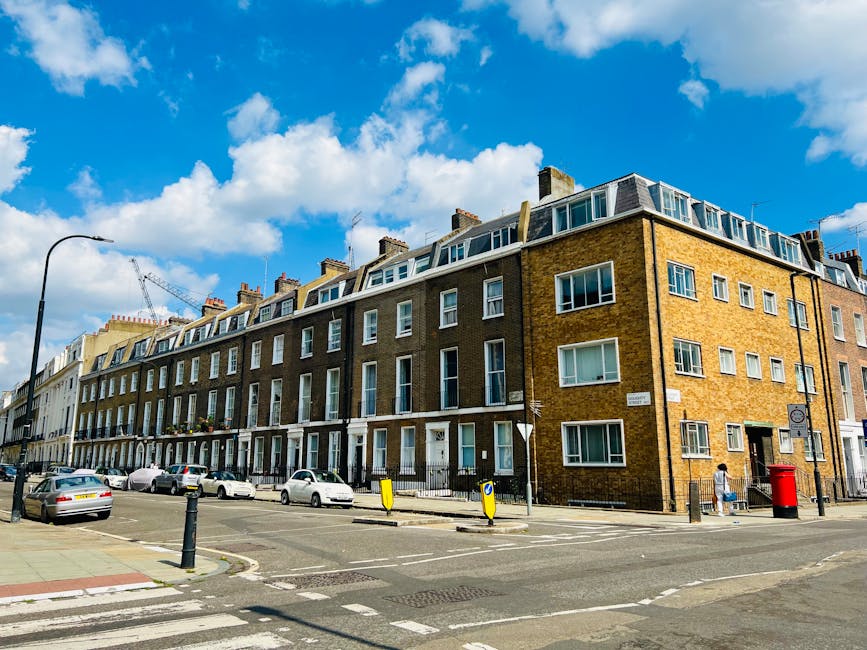
Why End of Tenancy Cleaning on Flask Walk NW3 Matters
End of tenancy cleaning is the final deep clean carried out before the property is returned to the landlord or managing agent. On a street like Flask Walk, where homes can be compact, well-used, and full of hard-to-reach corners, a surface-level tidy usually is not enough. The extractor fan still holds grease. The skirting boards gather dust. The inside of the fridge quietly becomes a problem nobody wants to deal with at 8pm the night before handover.
The reason it matters is simple: a tenancy ends with an inspection, not a guess. Most landlords and letting agents expect the property to be left in a clean and presentable condition, generally matching the standard recorded at the start of the tenancy, allowing for fair wear and tear. If that standard is missed, disputes can follow. Nobody wants that final move-out memory to become a back-and-forth over an unclean hob or smeared bathroom glass.
On Flask Walk NW3, many renters are moving between busy schedules, shared buildings, and tight access windows. That creates a very practical need for a proper clean done with care. A well-handled end of tenancy clean helps protect deposits, reduces friction, and makes the handover feel straightforward. And yes, it also makes the place look as though someone respected it right up until the end.
If you are still in the early stages of moving out, it can help to read about listing and preparing Hampstead property to understand how presentation affects the next stage of occupancy. For a broader view of the area, the article on local life in Hampstead is also a useful read.
How End of Tenancy Cleaning on Flask Walk NW3 Works
A proper move-out clean is usually more detailed than a regular domestic clean. The goal is not just to make the property look tidy, but to clean the parts that are easy to miss during day-to-day living. In practice, that means a room-by-room deep clean, with extra focus on kitchens, bathrooms, appliances, edges, and the places dust and grime like to hide.
Here is how it typically works.
- Initial assessment: The cleaner reviews the size of the property, the number of rooms, the condition, and any special items such as carpets, upholstery, or delicate surfaces.
- Planning the clean: Tasks are organised so the biggest problem areas get proper attention first. Kitchens and bathrooms usually take longer than expected, especially in older flats.
- Deep cleaning room by room: This includes dusting, wiping, scrubbing, vacuuming, mopping, and detailed cleaning of fixtures and fittings.
- Targeted extras: Oven cleaning, internal window cleaning, fridge cleaning, descaling, and carpet care may be included or arranged separately depending on the job.
- Final inspection: A final check is done to make sure obvious marks, residue, and missed spots have been removed.
In a NW3 property, access and layout often matter as much as cleaning itself. Narrow stairwells, basement flats, shared entrances, and parking limitations can affect timing. To be fair, none of that is unusual in London, but it does mean organisation matters. If the property has carpets or fabric furniture that need attention too, it can be sensible to look at carpet cleaning in Hampstead or upholstery cleaning in Hampstead as part of the overall plan.
Key Benefits and Practical Advantages
People often think of end of tenancy cleaning as a box-ticking exercise. It is more useful than that. A thorough clean gives you a cleaner exit, a better impression, and fewer things to argue about later. That alone is worth a lot at the end of a tenancy.
- Better chance of a smooth checkout: A clean property is easier for the landlord or agent to inspect and approve.
- Less risk of avoidable deductions: Deposit disputes often begin with hygiene-related complaints that could have been prevented.
- More suitable for busy move-out schedules: Moving day is chaotic enough without spending six extra hours on grout and oven racks.
- Stronger presentation for re-letting: If you are a landlord, the property can be prepared faster for the next occupant.
- Better attention to detail: Professional move-out cleaning usually reaches areas tenants are understandably tired of thinking about by the last day.
A clean flat also just feels different. Open the door and there is no stale smell, no sticky residue on handles, no grey layer on the skirting boards. It feels settled again. Which sounds small, but it matters.
For landlords and homeowners comparing broader service options, the services overview is a helpful starting point, especially if the same property may need regular maintenance after the tenancy ends.
Who This Is For and When It Makes Sense
This kind of cleaning is not just for tenants who are leaving. It suits several situations on Flask Walk NW3 and nearby streets.
- Tenants moving out: Usually the main group, especially when deposit return is a priority.
- Landlords between lets: Ideal when a property needs to be turned around quickly and consistently.
- Letting agents managing turnover: Useful when there is a standard to maintain across multiple properties.
- Homeowners selling or reconfiguring a property: Less common, but still useful when a detailed clean is needed before the next stage.
- Room renters and flat-sharers: Particularly relevant where shared kitchens and bathrooms have been heavily used.
It tends to make sense when the property has been lived in for more than a short period, when appliances need detailed care, or when the tenancy agreement expects the property to be returned in a professionally cleaned condition. Some tenants try to do everything themselves the night before. Sometimes that works. Often it does not, at least not to the standard an inspection demands.
If you are exploring the local rental landscape more broadly, the page on Hampstead property from an investor's perspective is a useful companion piece, especially if you manage a portfolio and need turnover to be efficient.
Step-by-Step Guidance
If you want the clean to go smoothly, a little planning helps a lot. The best results usually come from a simple, sensible sequence rather than frantic last-minute effort.
1. Read the inventory and tenancy notes
Start with the inventory report if you have one. It tells you what the property looked like at move-in and gives you a benchmark. That matters because end of tenancy cleaning is about returning the property to an agreed standard, not trying to make it better than a showroom.
2. Clear out all personal belongings first
Cleaning around boxes is slow and frustrating. Empty cupboards, remove items from the fridge and freezer, take rubbish out, and clear shelves and drawers. The less clutter left behind, the better the result.
3. Focus on the kitchen early
Kitchens are usually the most demanding area. Start with the oven, hob, splashback, cupboards, extractor, fridge, sink, and limescale-prone taps. Once the kitchen is sorted, the rest feels easier. Strange, but true.
4. Move through bathrooms carefully
Descale shower screens, clean around taps, wash tiles, remove soap residue, and check behind toilet bases. Bathrooms reveal every shortcut. They really do.
5. Deal with floors and soft furnishings
Vacuum thoroughly, including under beds and sofas if possible, then mop hard floors. If carpets have visible marks or general wear from the tenancy, a specialist clean can improve the overall finish. The same goes for sofas, dining chairs, and other upholstered items that have seen a lot of life.
6. Do a final detail pass
Check light switches, door handles, skirting boards, window sills, radiator tops, and inside cupboards. These are the little areas that often trigger inspection comments. A few minutes here can save a headache later.
One useful habit: clean from top to bottom, and from the back of each room toward the door. It sounds almost too simple, but it stops dust falling onto already cleaned surfaces. The basic method works. Every time.
Expert Tips for Better Results
There are a few things that consistently make a move-out clean better, especially in London flats where space, time, and access are all a bit tight.
- Book the clean after the property is empty: This avoids re-cleaning the same areas and improves access to hidden spots.
- Use the right cleaning method for the surface: Not every worktop, floor, or appliance can take the same treatment. Harsh scrubbing can leave marks.
- Check high-touch points twice: Handles, switches, banisters, and pulls get noticed quickly during inspections.
- Address limescale properly: In bathrooms and kitchens, surface wiping is not enough if mineral build-up has been left to settle.
- Ventilate while cleaning: It helps surfaces dry faster and cuts through lingering cleaning smells.
- Leave time for drying: Damp floors or wet windows at handover make a property look unfinished, even if it is technically clean.
A small but important tip: if the tenancy included carpets, soft furnishings, or delicate blinds, mention them early. That way the clean can be planned properly rather than patched together on the day. And if you are unsure what level of cleaning is needed, a trustworthy provider should be able to explain it without puffery or pressure.
For practical standards around safety and care, it is worth reviewing the site's health and safety policy and insurance and safety information, especially if work is being done while the property is still partially occupied or if equipment is being brought in.

Common Mistakes to Avoid
Most move-out problems are not dramatic. They are the result of small oversights. That is the annoying part, actually.
- Leaving the oven until the last minute: Oven grease is stubborn. If it is not tackled properly, it tends to be the first thing noticed.
- Forgetting inside cupboards: Empty shelves are not automatically clean shelves.
- Ignoring skirting boards and edges: Dust gathers there quietly and then becomes very visible once the room is empty.
- Not cleaning behind or under appliances: Fridges and cookers hide some of the worst build-up in the property.
- Using the wrong products: Some surfaces mark easily, and not every stain should be attacked with the strongest cleaner in the cupboard.
- Not allowing enough time: A deep clean done in a rush often becomes a partial clean.
One of the most common errors is assuming the property only needs to look tidy from the doorway. Inspection standards are less forgiving than that. A tidy room with dirty corners is still, well, a dirty room.
If the property has been used for short lets, hosting, or frequent guest stays, you may find the article on ideal locations for parties in Hampstead helpful for understanding the kinds of wear and turnover that can build up over time.
Tools, Resources and Recommendations
You do not need a mountain of equipment to do a good move-out clean, but you do need the right basics. A small, sensible kit usually beats a random cupboard full of half-empty bottles.
| Category | Useful items | Why it helps |
|---|---|---|
| General cleaning | Microfibre cloths, neutral cleaner, bucket, sponge | Good for wiping dust, fingerprints, and everyday grime without damaging surfaces |
| Kitchen | Degreaser, oven cleaner, scraper used carefully, non-abrasive pads | Helps remove baked-on residue, splash marks, and stubborn build-up |
| Bathroom | Limescale remover, grout brush, disinfecting cleaner | Useful for taps, tiles, showers, sinks, and toilet areas |
| Floors | Vacuum with attachments, mop, floor-safe cleaner | Reaches edges, under furniture, and across mixed flooring types |
| Soft furnishings | Fabric-safe cleaner or specialist service | Reduces the risk of staining or over-wetting upholstery |
If you are comparing service levels or trying to understand what is included, the pricing and quotes page is useful for getting a sense of how jobs are typically scoped. For a broader look at available cleaning support, the domestic cleaning Hampstead and house cleaning Hampstead pages can help you distinguish routine maintenance from a move-out deep clean.
Law, Compliance, Standards, or Best Practice
End of tenancy cleaning is not usually about complicated legal wording, but it does sit within a clear UK renting context. Most tenancy agreements expect the property to be returned clean and in a similar condition to how it was handed over, allowing for fair wear and tear. The exact wording can vary, so the safest approach is always to check the tenancy agreement and inventory rather than guessing.
It is also wise to remember that deposit deductions should be reasonable and supported by evidence. In practice, that means photos, inventory notes, and the condition of the property at checkout all matter. If a dispute does happen, clear records are far more useful than memory. Memory gets fuzzy. Especially during a move.
From a cleaning best-practice standpoint, the main standards are straightforward:
- clean thoroughly and consistently across all rooms;
- avoid damage from harsh chemicals or unsuitable tools;
- handle electrical appliances safely and only when they are appropriate to clean;
- make sure floors are dry and access routes are safe;
- document any pre-existing damage or stubborn marks that cannot be removed without risk.
For landlords and agents, a reliable turnover process is often more valuable than a dramatic one-off clean. For tenants, the same principle helps avoid awkward conversations at checkout. If you want reassurance about the provider's operating standards, the site's terms and conditions and complaints procedure are sensible pages to review before booking.
Options, Methods, or Comparison Table
There are usually three practical ways to approach an end of tenancy clean on Flask Walk NW3. Each has its place. The right choice depends on time, condition, and how much risk you want to carry on your shoulders.
| Option | Best for | Strengths | Limitations |
|---|---|---|---|
| DIY clean | Very small, lightly used properties | Cheaper upfront, full control, flexible timing | Time-consuming, easy to miss details, physically demanding |
| Hybrid approach | Tenants who can do some work themselves | Can reduce cost while improving focus on key areas | Still requires coordination and the right tools |
| Professional move-out clean | Most full tenancies, busy move-outs, higher expectations | More consistent finish, less stress, better coverage of detail areas | Higher upfront spend than doing it yourself |
In our experience, the professional route makes the most sense when the property has a lot of appliances, carpets, or built-in features that need proper attention. A DIY clean can work if the property is small and the tenant has time, but it is easy to underestimate the work. Very easy.
Case Study or Real-World Example
Picture a one-bedroom flat near Flask Walk with a compact kitchen, a small bathroom, and pale carpet in the living room. The tenant has packed most belongings but left cleaning until the final afternoon. At first glance, the place looks fine. Open the oven door, though, and there is built-up grease on the glass. The shower screen has limescale at the bottom edge. The living-room carpet has a couple of dull traffic marks near the sofa area.
Instead of trying to do everything in a rush, the cleaning plan is split into parts. The kitchen is tackled first because it is usually the biggest inspection risk. Then the bathroom. Then the flooring and final details. The carpet gets a targeted clean, and the bathroom is descaled carefully so the glass looks clear again rather than streaky. The whole property ends up feeling fresh, bright, and ready to hand over.
The important part is not that the flat became perfect. It is that the clean dealt with the areas most likely to be checked closely. That is how a sensible move-out clean works in real life. Not glamorous. Just effective.
If you are planning a move from a flat in the wider NW3 area, the article on NW3 flat cleaning near Hampstead Heath may also be useful, especially if your property layout is similar or you are comparing local cleaning needs.
Practical Checklist
Use this checklist as a final walkthrough before you hand the keys back. It is simple, but it catches a lot.
- All personal belongings removed from every room
- Bins emptied and rubbish taken out
- Kitchen surfaces wiped and degreased
- Oven, hob, extractor, and fridge cleaned
- Cupboards emptied, wiped, and checked inside
- Bathroom descaled, scrubbed, and dried
- Taps, mirrors, and shower screens left streak-free
- Floors vacuumed and mopped
- Carpets treated if needed
- Upholstery checked for marks or dust
- Skirting boards, switches, and handles wiped
- Windowsills, frames, and accessible glass cleaned
- Final smell check done after airing the property
- Lights, heating, and appliances switched off if required
- Inventory photos or handover notes kept for reference
A tiny bit of advice: do the final check in daylight if you can. Evening lighting hides dust and smears in a way that is frankly rude. Morning light is much less forgiving, but that is exactly why it helps.
Get a free quote today and see how much you can save.
Conclusion
End of tenancy cleaning on Flask Walk NW3 is really about closing a chapter properly. A clean handover protects relationships, reduces stress, and makes the last day of a tenancy feel orderly instead of chaotic. Whether you are leaving a studio, a family flat, or a larger home, the principles are the same: clear everything out, clean the hidden spots, and give the property the kind of finish you would want to walk into yourself.
If you are comparing options or planning ahead, start early, stay realistic about the work involved, and focus on the areas that matter most at inspection time. That is usually where the win is. Quietly, but definitely.
And if the job feels bigger than expected, that is perfectly normal. Moving house does that. The good news is that a careful, well-planned clean can take a lot of the sting out of the process and leave you with one less thing to worry about.