Deep clean for Hampstead Village period homes
Posted on 15/06/2026
Period homes in Hampstead Village have a charm that is hard to fake. The sash windows, original mouldings, aged floorboards, brass fittings, and those little quirks in the layout all tell a story. But they also make cleaning more complicated than a standard flat wipe-down. A proper deep clean for Hampstead Village period homes is about more than making things look neat for a day; it is about lifting grime without damaging delicate finishes, reaching the awkward places old buildings hide, and respecting the fabric of the property itself.
If you are preparing for guests, moving tenants, getting a home ready for sale, or simply trying to reset a much-loved house after a busy season, this guide will walk you through what matters, what to avoid, and how to approach the job sensibly. Truth be told, old homes can be a bit unforgiving if you rush them. The good news? With the right order and the right techniques, they clean up beautifully.
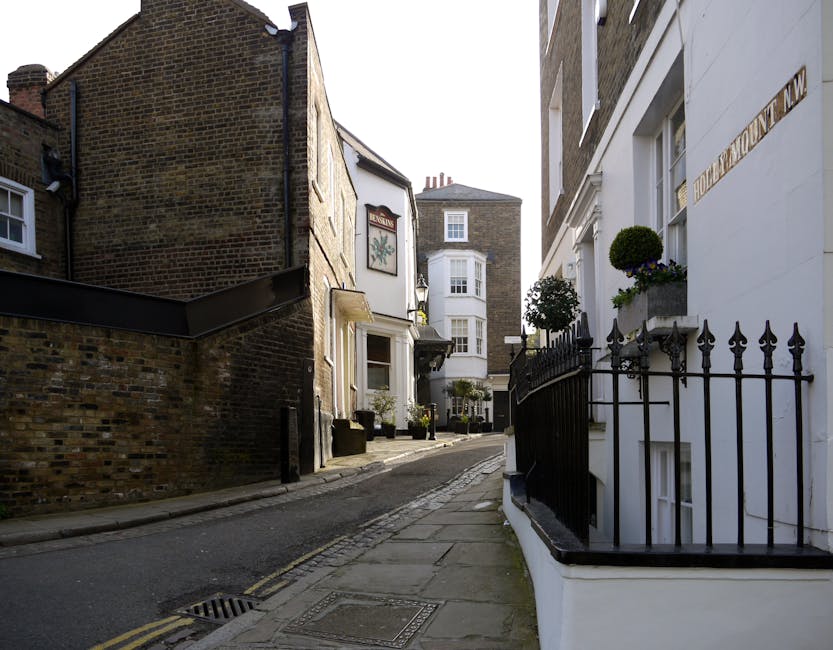
Why deep cleaning matters in Hampstead Village period homes
Period homes behave differently from newer properties. Paint layers build up over time, wood can be sensitive to excess moisture, and old stone, tile, brass, and plaster need a lighter touch than modern, hard-wearing surfaces. Even dust acts differently in these homes because cornices, beams, shutter boxes, and vents create more places for it to settle. You clean one shelf and somehow find dust again on a picture rail two metres away. Annoying, but very normal.
In Hampstead Village, many homes also have a mix of finishes from different eras. A single property may include encaustic tiles, cast-iron fireplaces, original timber, modern kitchen units, antique furniture, and delicate upholstery all in the same room. That mix is precisely why a standard clean often falls short. A deep clean is the careful reset that brings the whole home back into balance.
It matters for presentation too. Whether you are hosting, listing a property, or simply keeping on top of household maintenance, a proper deep clean makes the home feel lighter, brighter, and less tired. It is especially useful after winter, after renovation dust, after a long tenancy, or when the house has been lived in a bit too enthusiastically. Let's face it, old homes collect life very quickly.
If you want more background on the wider local area, you may also find a local's guide to Hampstead and the Hampstead neighbourhood guide useful for context.
How deep clean for Hampstead Village period homes works
The best way to think about a period-home deep clean is as a sequence, not a single task. The order matters. You start high, work down, and finish with the surfaces and floors that gather the debris. That prevents you from cleaning a skirting board only to shake dust off a curtain pole above it ten minutes later. Been there, regretted that.
A good process usually begins with a survey of materials and problem areas. Are the floors sealed or bare? Are there original windows with flaking paint? Is the bathroom tiled in a way that reacts badly to strong chemicals? Is there upholstery that needs specialist treatment rather than a general all-purpose product? The answers change the approach quite a lot.
From there, the clean usually includes:
- dusting and vacuuming high-level details such as cornices, coving, ceiling roses, and light fixtures
- careful cleaning of woodwork, bannisters, doors, frames, and skirting boards
- degreasing and sanitising kitchens and bathrooms
- spot treatment for stains on carpets, rugs, and upholstery
- polishing hard surfaces without stripping their finish
- final floor cleaning once dust and loose debris have been removed
Sometimes the work is straightforward, and sometimes it turns up little surprises: soot in a fireplace surround, built-up polish on a sideboard, or a patch of condensation staining around a sash window. The point is not perfection for its own sake. The point is controlled, thorough restoration of cleanliness without collateral damage.
Key benefits and practical advantages
A deep clean does more than make a place look tidy in the afternoon light. In period homes, the advantages tend to be practical and protective.
First, it protects materials. Timber, plaster, old grout, antique fittings, and older paint finishes all last longer when cleaned correctly. Dust and grime can be mildly abrasive over time, especially on frequently touched spots like bannisters and door surrounds.
Second, it improves air and comfort. Older properties can hold on to dust in corners, around radiators, and behind furniture. Once that build-up is removed, the house often feels fresher straight away. Not magically, of course. But noticeably.
Third, it raises presentation. If you are preparing a home for sale, rental, or a special event, the difference is immediate. Light reflects better from clean glass and polished surfaces. Carpets look less flat. Kitchen and bathroom spaces stop looking "lived in" and start looking cared for.
Fourth, it helps you spot hidden issues. Once the dirt is out of the way, you can actually see what needs fixing: a cracked tile, a lifting edge on wallpaper, mould starting in a cold corner, or a window that is letting in moisture. In older homes, that is valuable information.
Fifth, it reduces stress. This sounds soft, but it matters. A house that is genuinely clean feels easier to live in. You stop noticing the sticky handle or the grey line on the skirting. The whole place breathes a little more.
For anyone comparing cleaning options, the broader services overview can help you understand which type of clean fits your property and timing.
Who this is for and when it makes sense
This kind of cleaning is especially useful if you own or manage a home in Hampstead Village and the property has character features, mixed materials, or a layout that makes routine cleaning incomplete. That includes family houses, converted flats, listed or semi-listed homes, and long-held rental properties.
It is often the right move when:
- you are moving in after a tenancy or vacancy
- you are preparing to list the property for sale or let
- you have had decorators, builders, or joiners in the house
- the home has not had a thorough reset for months
- you are expecting guests, a family gathering, or a seasonal celebration
- the kitchen, bathrooms, and soft furnishings have become visibly tired
It also makes sense if you are a landlord or property manager and want the home to present well between occupancies. In that case, a proper clean can be part of a wider preparation plan, alongside repairs and inventory checks. For that kind of situation, the page on end of tenancy cleaning in Hampstead may be particularly relevant.
If your home is more of a lived-in family property, then a deeper domestic clean may be the better fit. There is no single right answer. It depends on the state of the house, the room count, and how much detail is needed.
Step-by-step guidance
Here is a sensible way to approach a deep clean in a period property. This is the sort of sequence that saves time, and more importantly, avoids doing the same job twice.
- Start with a walk-through. Look for fragile finishes, signs of damp, scratches, lifting paint, staining, and areas that need gentler methods. Make notes. Old homes reward attention.
- Declutter the main rooms. Move small objects, papers, ornaments, and loose textiles out of the way. You cannot deep clean around everything, no matter how optimistic you feel at 8am.
- Dust from the top down. Begin with coving, ceiling edges, curtain poles, light fittings, shelves, and picture rails. Work down to furniture, then skirting boards.
- Vacuum properly. Use attachments for corners, under furniture, around radiator pipes, and along edges. In older homes, dust likes to hide at the boundary between surfaces.
- Treat kitchens and bathrooms carefully. Degrease hobs, extractor surrounds, splashbacks, taps, tile grout, and sealant. Avoid flooding old grout or wooden surfaces with water.
- Handle windows and frames with care. Clean glass, tracks, sills, and frames. If paint is fragile, use minimal moisture and avoid aggressive scrubbing.
- Work on soft furnishings and carpets. Vacuum upholstery thoroughly, spot treat where suitable, and clean carpets with methods that suit the fibre type and backing.
- Finish with floors. Once all dust and residue are removed, clean the floors according to material: sealed wood, stone, tile, carpet, or engineered surfaces each need their own approach.
- Inspect and touch up. Check handles, switches, marks on walls, and corners that may have been missed. That last pass is where the real polish happens.
One useful rule: if a surface is historical, delicate, or expensive to replace, go gentler than you think you need to. You can always repeat a mild clean. You cannot un-scrub an original finish.
Expert tips for better results
Small decisions make a big difference in period homes. The first tip is probably the most important: test any product in a hidden area first. Even mild cleaners can dull old varnish, lift paint residue, or mark stone if used too strongly.
Use microfibre cloths rather than rough pads on most woodwork and painted surfaces. They trap dust well and are less likely to leave fine scratches. On ornate features, a soft brush attachment on a vacuum is often better than dry wiping, which just moves dust around.
Work room by room. It sounds basic, but period homes can spread you thin because each room has its own materials and problems. Finish one area properly before moving to the next. That way you are not halfway through a bathroom and distracted by a dusty shutter in the hall.
Pay attention to touch points. Door handles, banisters, switches, pull cords, window latches, and cupboard fronts tend to tell the story of how the home is actually used. These are the places guests notice, even if they do not consciously register them.
Think about humidity. A damp cloth may be fine for hard surfaces, but too much moisture around old timber can create problems later. Open windows where possible, use ventilation sensibly, and avoid leaving surfaces wet for long.
Keep a soft cloth for final buffing. The difference between clean and properly finished is often just a quick buff on taps, mirrors, brass, and polished wood. Tiny thing. Big effect.
And yes, it sounds fussy. But period homes are a bit fussy. That is part of the charm.
Common mistakes to avoid
When a deep clean goes wrong, it is usually because someone treats an old house like a new-build. That is the short version. The longer version is below.
- Using too much water on timber or plaster. This can cause swelling, staining, or softening around joints and edges.
- Scrubbing old paint or delicate wallpaper. If in doubt, ease up. Stubborn marks sometimes need spot treatment or a different method, not more force.
- Ignoring the order of work. Cleaning floors before dusting high areas is a classic own goal. You do the same job twice, and nobody enjoys that.
- Using one cleaner for everything. There is no miracle liquid that suits wood, stone, brass, fabric, and glass equally well. Sadly.
- Overlooking hidden edges. Behind radiators, around pipes, under window ledges, and at the backs of shelves are all standard dust traps.
- Forgetting ventilation. In older homes, stale air and trapped moisture can be part of the problem. Cleaning helps, but circulation matters too.
Another mistake is rushing the "detail" phase. You can get a lot of visible impact early on, but the home only feels truly deep-cleaned once the overlooked bits are handled. That last ten percent often takes the most patience.
Tools, resources and recommendations
You do not need a van full of kit to do this well, but the right tools make a big difference. For most period homes, the basics are surprisingly ordinary, just used more carefully than usual.
- soft microfibre cloths in several colours or piles, so bathroom cloths do not wander into the kitchen
- vacuum attachments for corners, upholstery, skirting boards, and high dusting
- soft brushes for mouldings, vents, and decorative trim
- pH-appropriate cleaners for stone, wood, and sealed surfaces
- glass cleaner for mirrors and panes, used sparingly
- bucket, mop, and separate cloths for floor care
- protective gloves for stronger cleaning tasks
If the home has fitted carpets or statement rugs, it may also be worth looking at professional carpet cleaning in Hampstead. Soft furnishings can be a hidden source of dust, odour, and dullness, especially in older houses with lots of textile surfaces. For sofas, chairs, and occasional pieces, upholstery cleaning can be the more appropriate step.
If you are comparing service types or trying to understand where a one-off deep clean sits alongside regular maintenance, the domestic cleaning in Hampstead and house cleaning pages can help you think through the options without overcomplicating things.
Law, compliance, standards and best practice
For most homeowners, the legal side is fairly light-touch, but it still matters. If the property is rented, sold, or used by others, cleaning intersects with expectations around safety, hygiene, and reasonable care. Exact obligations can vary with the situation, so it is wise to treat this as general best practice rather than legal advice.
A responsible approach includes the following:
- using cleaning products according to their instructions
- storing chemicals safely and away from children or vulnerable residents
- ventilating rooms when using stronger products
- taking care around electrical fittings, sockets, and fixtures
- avoiding damage to listed, historic, or fragile architectural features
- keeping walkways clear to reduce slip and trip risks during the clean
For landlords and agents, it is sensible to align the clean with inventory expectations and any agreed condition standards. A deep clean is not a substitute for maintenance or repairs, but it does support a defensible handover process. If you are preparing a property for market, listing your Hampstead property is another useful read, especially when presentation timing matters.
Safety is also part of good practice. If you want a more detailed sense of how a provider approaches risk, the page on insurance and safety is worth reviewing. It is not glamorous, I know, but when you are cleaning older interiors, safety and care are the boring bits that keep the beautiful bits intact.
Options, methods and comparison table
Not every home needs the same kind of clean. The right choice depends on condition, timing, and the level of finish you expect. Here is a simple comparison to make that easier.
| Option | Best for | Strengths | Watch-outs |
|---|---|---|---|
| Routine domestic clean | Homes that are already maintained regularly | Keeps on top of dust, kitchens, bathrooms, and general presentation | Usually not enough for heavy build-up, moving day, or neglected details |
| One-off deep clean | Period homes needing a full reset | Targets hidden dirt, detail areas, and neglected surfaces | Takes longer and needs more planning |
| End of tenancy clean | Rental properties between occupancies | Focuses on handover readiness and thorough presentation | May need extra attention on appliances, cupboards, and carpets |
| Specialist carpet or upholstery cleaning | Homes with tired textiles, stains, or odours | Improves freshness and appearance in soft furnishings | Not a replacement for whole-home cleaning |
If the property is very close to Hampstead Heath or part of a converted building with unusual access, a more tailored plan may be needed. For example, a client looking for NW3 flat cleaning near Hampstead Heath may have different constraints from someone in a larger terraced house. And that is perfectly normal.
Case study or real-world example
A typical Hampstead Village scenario goes like this. A family home has been occupied for years, with a busy kitchen, a staircase that gathers dust every week, and several rooms filled with books, textiles, and mixed furniture. Nothing is "dirty" in the dramatic sense, but the place has started to feel flat. The windows look a little foggy. The skirting boards hold a faint grey edge. A hallway rug has lost its brightness.
The deep-clean approach begins with decluttering and high-level dusting. Then the team moves into the kitchen, where grease around handles and appliance edges makes the room look older than it really is. Bathrooms follow, with attention to limescale, grout, and glass. Soft furnishings and rugs are treated separately. The staircase, bannister, and landing are tackled carefully because these are the features people notice the moment they walk in.
By the end, the house has not changed character. That is the point. It still feels like the same old Hampstead home, just clearer, calmer, and much more pleasant to live in. One small but telling moment is often the hallway at the end of the job. You can smell the difference before you even see it. Fresh, clean, quiet. Hard to describe, easy to notice.
For a rented property with a specific handover date, the approach is similar but tighter in scope. In those cases, end of tenancy cleaning on Flask Walk NW3 is a helpful example of how localised the requirements can be when a property is being prepared for the next resident.
Practical checklist
Use this checklist if you are planning the job yourself or briefing a cleaner. It keeps things grounded.
- Identify delicate surfaces, original fittings, and any fragile paintwork
- Clear clutter from shelves, floors, countertops, and window ledges
- Dust from high to low: ceilings, lights, rails, then furniture
- Vacuum edges, under furniture, and along skirting boards
- Clean kitchen grease points and bathroom limescale carefully
- Spot treat carpets and upholstery where needed
- Wipe handles, switches, frames, and bannisters
- Finish with the right floor method for each material
- Check ventilation, drying time, and safe access after cleaning
- Inspect the final result in daylight if possible; morning light is brutally honest, but useful
Expert summary: the best results come from patience, correct sequencing, and respect for old materials. If you can avoid excess moisture, aggressive scrubbing, and one-size-fits-all products, you are already most of the way there.
Get a free quote today and see how much you can save.
Conclusion
A deep clean for Hampstead Village period homes is not just about appearance. It is about protecting the character of the building, making day-to-day life feel easier, and bringing older interiors back to their best without stripping away the features that make them special. A careful clean can reveal the grain in the wood, the pattern in the tiles, and the sense of space that dust and residue quietly hide.
If you approach it methodically, with the right tools and a little restraint, the results are genuinely rewarding. The house feels more breathable. The rooms look more intentional. And if you are getting ready for guests or a handover, you can relax a bit, which is no small thing in a busy week.
Period homes ask for care. Give them that, and they usually repay you with grace.