Health and Safety Policy for Cleaner Hampstead
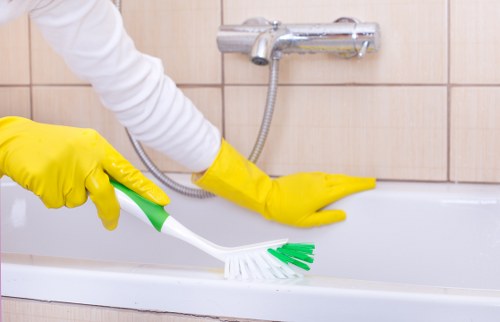 This health and safety policy sets out the standards expected from every Cleaner Hampstead team member when carrying out cleaning services in domestic and commercial environments. Our commitment is to protect staff, clients, visitors, and any other person who may be affected by cleaning activities. We aim to maintain a safe working environment by identifying risks early, applying sensible controls, and promoting safe conduct at all times. Safety is not treated as an extra task; it is part of every cleaning activity.
All cleaning work must be planned with care and completed using methods that reduce risk as far as reasonably possible. This includes using the correct equipment, following safe working procedures, and ensuring that products are used only for their intended purpose. Every cleaner is expected to work responsibly, remain alert to hazards, and stop work if conditions become unsafe. The policy applies to all routine, deep, and specialist cleaning tasks carried out under the Cleaner Hampstead name.
 Management is responsible for providing appropriate supervision, training, and guidance so that each cleaner understands their duties. Workers must also take reasonable care for their own safety and for the safety of others. This shared responsibility helps create a culture where good practice is routine, hazards are reported promptly, and accidents are less likely to occur.
Risk assessment is central to our approach. Before work begins, cleaners should consider the environment, the nature of the surfaces, the products being used, and any access limitations that may affect safe performance. Floors, stairs, wet areas, cluttered spaces, and poorly ventilated rooms require particular attention. If a task presents avoidable danger, the method should be changed or the work paused until it can be completed safely. Preventing harm always comes before speed.
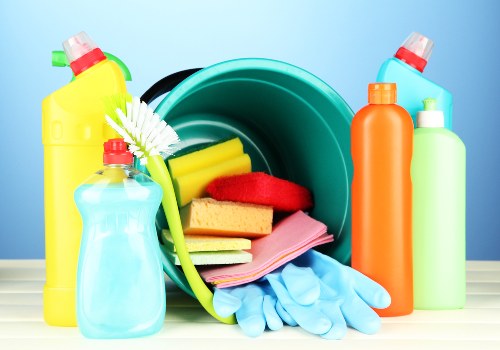
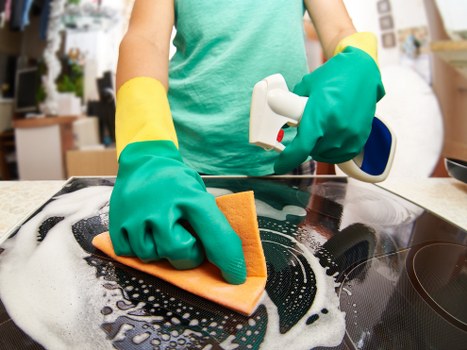
Cleaning products must be handled according to the manufacturer’s instructions and used in measured quantities. Containers should remain clearly labelled, tightly closed, and stored securely when not in use. Different chemicals should never be mixed unless the instructions specifically permit it. Personal protective equipment should be selected according to the task and worn whenever there is a risk of splash, inhalation, contamination, or contact with sharp or abrasive materials.
 Training is provided so that cleaners understand safe handling methods, correct manual handling techniques, and the proper use of tools and machines. Equipment must be checked before use and reported if damaged, faulty, or unsafe. Electrical items should be handled carefully, kept away from water where possible, and switched off before cleaning or maintenance. Any cleaner who is unsure about the safety of a task must seek direction before proceeding.
Manual handling presents one of the most common risks in cleaning work, so loads should be lifted only when manageable and with the correct technique. Where possible, cleaners should use trolleys, buckets with wheels, or other aids to reduce strain. Repetitive movements should be varied when possible, and tasks should be paced to avoid overexertion. Good posture, regular breaks, and sensible organisation of work can all help lower the chance of injury.
Slip, trip, and fall prevention is equally important. Warning signs should be used where floors are wet or freshly treated, and cleaning zones should be kept as clear as possible. Cables, tools, and materials must not be left in walkways. When working at height, only suitable access equipment should be used, and unsafe reaching or improvised climbing must be avoided. Simple precautions make a significant difference to everyday safety.
In the middle of our operational standards, communication plays an essential role. Changes in the environment, new hazards, damaged fixtures, or incidents involving exposure must be reported immediately so they can be addressed before work continues. Accurate reporting helps management improve control measures and maintain a safe system of work across all cleaning assignments.
Health protection is also a priority. Cleaners should wash hands regularly, avoid touching the face while working, and use gloves where appropriate. Any skin irritation, breathing difficulty, dizziness, or unusual reaction connected to cleaning products or work conditions should be reported without delay. Where tasks involve dust, strong odours, or other irritants, ventilation should be improved as much as possible to reduce exposure.
Emergency readiness is part of our safety culture. Staff should know how to respond to spills, cuts, slips, electrical problems, or fire-related concerns in a calm and controlled manner. First aid supplies should be accessible where required, and serious incidents must be escalated promptly. Swift action, clear communication, and proper reporting are essential in every emergency.
 Accidents, near misses, and unsafe conditions are reviewed so that lessons can be learned and future risk reduced. This review process supports continuous improvement and helps ensure that standards remain consistent. Procedures may be updated when work methods change, when new equipment is introduced, or when a hazard is identified that requires additional control.
All team members are expected to uphold this policy by working carefully, following instructions, and respecting the wellbeing of others. No one should pressure a cleaner to complete a task in unsafe conditions. If a problem cannot be resolved immediately, the task should be delayed until a safe solution is available. This policy is designed to support reliable, professional cleaning services while maintaining the highest practical standards of protection.
Cleaner Hampstead remains committed to safe, responsible, and consistent working practices across all environments in which our services are delivered. By keeping risks under review, using correct equipment, and maintaining strong safety awareness, we can protect people, property, and the quality of our work. Health and safety is not only a rule to follow; it is a standard that shapes every decision we make.
 This policy will be reviewed regularly to ensure it stays effective, practical, and aligned with the needs of the cleaning work being carried out. Any improvements identified through experience, training, or incident review will be incorporated promptly, reinforcing a proactive approach to safe cleaning operations.