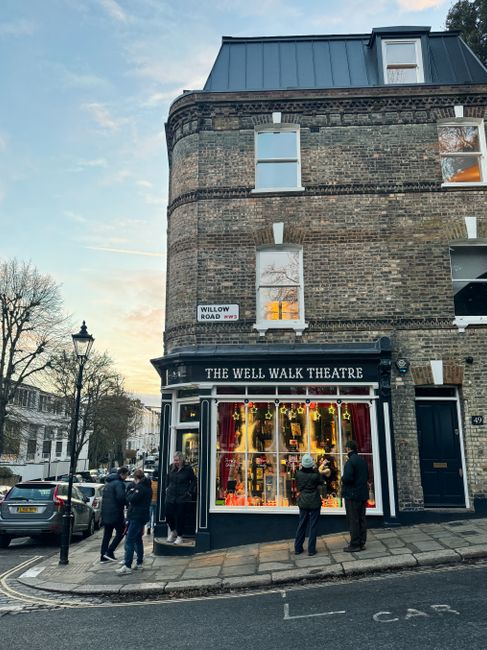
Cleaning Hampstead High Street shops after market hours
When the shutters come down and the last customer leaves, a very different kind of work begins. Cleaning Hampstead High Street shops after market hours is about more than making floors look tidy before morning. It is the quiet, detailed reset that helps a shop open on time, smell fresh, feel welcoming, and avoid the little problems that can snowball into bigger ones. In a busy high street setting, that after-hours window is precious. You've got footfall debris, bin emptying, tea spills, fingerprints on glass, stockroom dust, and sometimes the odd muddy trail from a damp London evening. All of it needs handling without disturbing neighbours, staff, or the next day's trade.
This guide explains how after-hours shop cleaning works, why it matters on Hampstead High Street, what a proper service should include, and how to choose the right approach for your premises. You'll also find practical steps, common mistakes, a comparison table, a checklist, and answers to the questions shop owners usually ask first. Let's face it, if the front of house is scruffy, people notice. Fast.
For readers looking at broader commercial support alongside shop cleaning, it can also help to understand the scope of commercial cleaning and how it differs from one-off or specialist work. That distinction matters more than people think.
Table of Contents
- Why Cleaning Hampstead High Street shops after market hours Matters
- How Cleaning Hampstead High Street shops after market hours Works
- Key Benefits and Practical Advantages
- Who This Is For and When It Makes Sense
- Step-by-Step Guidance
- Expert Tips for Better Results
- Common Mistakes to Avoid
- Tools, Resources and Recommendations
- Law, Compliance, Standards, or Best Practice
- Options, Methods, or Comparison Table
- Case Study or Real-World Example
- Practical Checklist
- Conclusion
- Frequently Asked Questions
Why Cleaning Hampstead High Street shops after market hours Matters
Hampstead High Street has its own rhythm. On some days it feels lively and almost theatrical; on others, quieter but still full of movement around the edges. Shops here have to present well in the morning because customers are quick to judge what they can see from the pavement. Dirty glazing, streaked mirrors, dusty shelving, or a sticky entrance mat can make a good shop feel oddly neglected. That first impression is rarely generous.
After-hours cleaning matters for a few clear reasons. First, it avoids interrupting trade. Nobody wants mopping machines, vacuum cords, or bin collections happening while customers are browsing. Second, it gives cleaners the time to work properly around displays, tills, fitting rooms, stock cages, and staff-only spaces. Third, it reduces the chance that dirt gets walked deeper into the premises overnight. A little debris at closing time can become a lot by opening time, especially when rain, salt, or street grit gets involved.
There is also a reputational side to this. Shopfronts on a prominent local high street are visible whether the doors are open or not. Passers-by see the state of the entrance, the glass, the signage, and sometimes even a glimpse of the interior. If you are trying to encourage repeat footfall, that visual standard counts. Quite a lot, actually.
And then there is staff morale. A clean shop is easier to work in. It feels calmer. It's not glamorous, but it genuinely changes the start of the day. One cleaner wiping away the last of the day's fingerprints and basket dust can save a manager thirty minutes of small complaints the next morning. That's the kind of practical value people remember.
How Cleaning Hampstead High Street shops after market hours Works
After-hours shop cleaning is usually planned around the shop's closing routine. The cleaner arrives once the public have gone, or just after, and works through a set sequence that depends on the premises. A small boutique needs a very different rhythm from a convenience store, salon, pharmacy, or delicatessen. The method should be calm, methodical, and quiet enough not to disturb nearby businesses or residents.
In most cases, the process begins with a walk-through. This is where the cleaner checks what needs attention: entrance areas, floors, counters, toilets, mirrors, shelving, bins, glass, back-of-house rooms, and any spills or marks from the day's trade. Good cleaners don't just clean what is obvious. They notice the awkward corners, the scuffed kick plates, the grime under display units, the fingerprints on the inside of doors, the dead patch of dust behind the promotional stand. That sort of detail is what separates a surface tidy-up from a proper reset.
Depending on the shop type, the service may include:
- sweeping or vacuuming floors
- mopping hard surfaces
- spot cleaning glass and mirrors
- wiping counters, rails, shelves, and touch points
- sanitising washroom fixtures
- emptying bins and replacing liners
- checking stockroom or staff-room cleanliness
- tidying entrance mats and threshold areas
- removing litter from customer-facing spaces
Some premises need specialist attention as well. For example, a clothing shop may need regular window cleaning to keep display glass free from smears, while food-adjacent retail spaces may benefit from more intensive routines aligned with hygiene expectations. A floor that looks fine at midday can feel grimy by closing time, especially after a wet day, so hard surfaces may need different treatment from carpeted areas or mats.
The best approach is usually built around a checklist and a consistent order of work. That consistency matters because it prevents missed spots. It also helps staff know what to expect. You want the shop to feel quietly reset, not half-done and oddly rearranged.
Key Benefits and Practical Advantages
There are obvious benefits, and then there are the subtle ones that only show up once the routine is in place. The obvious one is presentation. A clean shop looks better. The less obvious one is operational flow. After-hours cleaning gives staff and cleaners room to move without bumping into customers, stock deliveries, or point-of-sale activity.
Here are the main advantages in practical terms:
- Better opening standard: the shop is ready to trade, not still being tidied while the first customers walk in.
- Less disruption: work happens when the shop is closed, so there is no awkward noise or wet floors during business hours.
- More thorough cleaning: cleaners can access corners, counters, and back areas properly.
- Lower slip and trip risk: evening cleaning can remove spills, litter, and debris before they become an issue in the morning.
- Improved brand perception: a spotless entrance and fresh interior give the right message straight away.
- Better staff experience: employees arrive to a calmer, cleaner environment.
There is also a very real financial angle. Small maintenance issues can be noticed sooner in a regular cleaning routine. A damaged mat, a leaking bin, a stubborn stain, or a recurring dirt trail may not be urgent in isolation, but left alone they tend to get worse. Truth be told, cleaning is often the first line of early warning.
If the shop has carpets or upholstered seating, a routine that includes specialist care can extend the life of those surfaces. For instance, combining closing-time cleaning with periodic commercial carpet cleaning or upholstery cleaning can keep customer areas looking cared for without overworking the materials.
Who This Is For and When It Makes Sense
This kind of service is not just for large retailers. In fact, smaller shops often benefit just as much, because they tend to have less back-of-house space and fewer staff to handle cleaning between closing and opening. If your premises trade on presentation, hygiene, or footfall, after-hours cleaning is worth serious consideration.
It makes sense for:
- fashion boutiques and independent retailers
- newsagents, convenience shops, and local grocers
- salons, barbers, and beauty studios with retail areas
- cafes and takeaway-adjacent premises with customer seating
- gift shops, homeware shops, and lifestyle stores
- pharmacies and health-related retail spaces
- pop-up units, seasonal traders, and short-term concessions
It also makes sense when your shop sees:
- high footfall throughout the day
- frequent rainwater or street grit at the entrance
- smudged glazing from constant customer contact
- regular stock handling that leaves dust or packaging debris
- tight opening windows where staff simply cannot deep clean properly
Sometimes the need is seasonal. Around busy retail periods, your own team may be focused on serving customers and restocking, not mopping floors under the counter. That's fair enough. After-hours support can take pressure off the day team and keep the shop looking steady even when trading feels hectic.
And if your business also needs a broader refresh before a relaunch, renovation, or stock change, a more intensive deep cleaning service may be the better fit. Different jobs, different goals.
Step-by-Step Guidance
Clean shop operations work best when everyone understands the sequence. It does not have to be complicated. It just needs to be consistent.
1. Close the shop properly
Before cleaning starts, the business should be fully secured and customer-free. Cash handling, sensitive stock, and open tills should already be put away. The cleaner needs a clear working space, not a moving target.
2. Identify priority zones
Start with the areas customers see first: entrance, windows, display zones, payment counter, and mirrors. Then move to the less visible spaces like staff rooms, stockrooms, and toilets. This order makes sense because the front of house is usually where dirt has the most impact.
3. Remove loose debris and waste
Bins are emptied, packaging is cleared, and loose debris is picked up before any wet work begins. If you skip this bit, you end up smearing dirt around. Nobody wants that, obviously.
4. Clean high-touch points
Door handles, card payment areas, rails, light switches, and customer-facing counters should be wiped carefully. These are the places people touch without thinking, so they deserve consistent attention.
5. Handle floors correctly
Different floors need different treatment. Hard floors may need sweeping and damp mopping, while carpeted areas may need vacuuming and spot treatment. If the shop has polished or specialist flooring, using the wrong product can create streaks or even damage the finish. That part gets overlooked more often than it should.
6. Tackle glass, mirrors, and reflective surfaces
Fingerprints and smears show up quickly in shopfronts. A clean finish on glass makes a bigger difference than people expect, especially in daylight. It is one of those tiny details that quietly changes the whole mood of the space.
7. Recheck the room before locking up
A final pass matters. Look for missed litter, cleaning equipment left behind, or wet patches that need warning signs or extra drying time. The last five minutes are often the difference between "clean enough" and properly ready.
If you are running this as an in-house routine, a written sequence helps. If you are using a contractor, it is even more important to agree the exact scope beforehand. Ambiguity is where things get missed.
Expert Tips for Better Results
Small improvements make a big difference in a shop environment. The goal is not just clean for the sake of it. The goal is clean that lasts until the next opening, and ideally a little beyond.
Use the closing routine as a reset, not a rescue. If the team leaves every problem for the night cleaner, the job becomes harder and slower. A quick end-of-day tidy from staff makes the professional clean more effective.
Match products to the surface. Glass cleaner, disinfectant, floor solution, and fabric treatment all do different jobs. Using one product for everything is tempting, but it usually leads to poorer results. Sometimes a worse smell too. Not ideal.
Prioritise entrance care. The first few metres inside the shop take more abuse than almost anywhere else. A well-kept mat, clean threshold, and dry floor edge can reduce tracked-in dirt dramatically.
Keep a simple record of recurring issues. If the same stain keeps appearing near a display stand or the same corner gathers dust, there may be a layout issue or a footfall pattern to address. Cleaning alone may not solve the root cause.
Schedule occasional extras. Daily or weekly cleaning handles the routine, but periodic specialist tasks help preserve the shop's appearance. For example, a store with hard flooring may need hard floor cleaning from time to time, and textile-heavy spaces can benefit from steam carpet cleaning when odours or embedded dirt build up.
Work quietly and logically. After-hours cleaning should feel almost invisible. Low noise, good sequencing, and tidy equipment placement all matter. Customers never see this part, but they feel the result the next morning.
One tiny rule from experience: if something looks like it might annoy you in the morning, deal with it tonight.
Common Mistakes to Avoid
Some cleaning problems come from not doing enough. Others come from doing the wrong thing too fast. Both are pretty common.
- Ignoring entrance dirt: if you only clean the centre of the shop, the dirty edge still shapes the customer's first impression.
- Using the wrong chemicals: harsh or unsuitable products can damage finishes, leave residue, or create slippery surfaces.
- Skipping the final check: it sounds basic, but forgotten bins, damp patches, or missed glass are surprisingly common.
- Cleaning around clutter: if stock boxes or display items are left in the way, the cleaner cannot do a proper job.
- Assuming "tidy" means "clean": a shop can look organised but still be dusty, sticky, or unhygienic in key places.
- Leaving tasks too long: the longer a stain sits, the harder it is to remove. A bit of tea on the counter tonight is manageable. Next week, less so.
Another mistake is failing to separate day-to-day cleaning from periodic restoration work. A routine mop is not the same as a full floor treatment, and a quick wipe is not the same as a proper stain removal process. If a shop has persistent marks on fabrics or upholstery, targeted stain removal or pet stain odour removal may be more appropriate than repeated surface cleaning alone.
Tools, Resources and Recommendations
You do not need a warehouse full of kit to keep a shop clean after hours, but you do need the right basics. Good equipment saves time and gives better results. Cheap tools tend to frustrate everyone involved.
| Item | Best use | Why it matters |
|---|---|---|
| Microfibre cloths | Glass, counters, shelving, touch points | Lift dust and marks without leaving much lint behind |
| Vacuum cleaner | Carpet, mats, edges, corners | Removes fine debris before it gets walked in further |
| Mop and bucket system | Hard floors | Helps control moisture and reduce streaking |
| Neutral floor cleaner | Retail flooring | Works well on many surfaces without being too harsh |
| Glass cleaner | Windows, mirrors, display panels | Improves presentation fast, especially in daylight |
| Bin liners and waste bags | Rubbish removal | Keeps waste handling tidy and efficient |
| Gloves and PPE | General cleaning tasks | Protects hands and supports safer working practices |
In terms of service planning, it helps to think in layers. For example, a shop may need routine closing-time cleaning, regular regular cleaning, and occasional specialist tasks such as oven cleaning for adjoining food prep areas or window cleaning for the street-facing frontage. Different tasks support each other.
If you are comparing providers, ask what is included, what equipment is used, how access is handled, and whether the team can work quietly after business hours. It is also sensible to check service reliability and practical safeguards like insurance and safety. That's not paperwork for the sake of it; it's basic protection for your premises and your peace of mind.
Law, Compliance, Standards, or Best Practice
Any cleaning service operating after hours in a commercial setting should follow sensible UK workplace safety practice. That means attention to slips, trip hazards, chemical handling, ventilation where needed, safe storage of equipment, and clear communication about access and alarm procedures. You do not need a legal lecture to know that a wet floor in a dark shop after closing is a bad combination. Common sense has a role here, thankfully.
Best practice also means understanding site-specific needs. A shop on Hampstead High Street may have shared access, tight loading space, neighbouring businesses, or residential units nearby. Noise control, respectful timing, and tidy waste handling all matter in that environment. If the premises have cleaning chemicals on site, they should be stored safely and used according to the product instructions.
Insurance is another practical issue. If a contractor is working in your shop after hours, you want clarity on cover, responsibility, and what happens if something is damaged. Written terms help avoid awkward misunderstandings later. For that reason, it is worth reviewing a provider's policies alongside their cleaning scope, not after the fact.
Where hygiene-sensitive areas are involved, the standard should be more disciplined. That does not mean overcomplicated. It means consistent routines, appropriate products, and a clean-as-you-go mindset. If the premises handle food, health products, or high-touch customer contact, the cleaning plan should be more detailed and more carefully followed. Simple, really - but not always easy.
For pricing clarity, some businesses also like to review pricing and quotes early in the process so expectations are set before work starts. Transparency helps both sides.
Options, Methods, or Comparison Table
Not every shop needs the same cleaning approach. The right method depends on opening hours, footfall, interior layout, floor types, and how much visible presentation matters the next day. Here is a straightforward comparison.
| Method | Best for | Advantages | Limitations |
|---|---|---|---|
| Daily after-hours cleaning | Busy retail units with regular customer traffic | Keeps presentation consistently high and prevents build-up | Needs reliable scheduling and clear scope |
| Weekly cleaning | Smaller shops with light dirt levels | Lower frequency, simpler planning | Can allow grime to build between visits |
| One-off deep clean | Seasonal refreshes, opening changes, neglected areas | Thorough reset of the premises | Not a substitute for ongoing maintenance |
| Mixed approach | Most high street shops | Balances routine care with occasional specialist work | Requires good coordination |
The mixed approach is often the most practical. It lets you maintain a standard every night while booking deeper work when needed. For example, a shop might use routine evening cleaning most days, then add a one-off cleaning after a refit or busy event period. If there has been a recent refurbishment, after builders cleaning may be the right starting point before the normal schedule resumes.
There is no prize for using the most complicated model. The best option is the one that keeps the shop genuinely ready for customers without wasting time or money. That's the honest answer.
Case Study or Real-World Example
Picture a small independent clothing shop near the heart of the high street. It has a glass frontage, a compact changing room area, a till point, and a small stockroom at the back. During the day, staff are focused on service and merchandising, which is exactly as it should be. By closing time, there are fingerprints on the door glass, dust under the display tables, a few linty marks around the fitting rooms, and a thin layer of street grit near the entrance from a rainy afternoon.
Rather than trying to squeeze everything into the final ten minutes before lock-up, the shop arranges a structured after-hours clean. The cleaner starts with the entrance and windows, then handles the floor, till area, mirrors, fitting rooms, and bins. The back room gets a lighter tidy, but it still matters because staff are in and out of there all day. Every night is not a dramatic transformation. It is just a steady reset. And after a week or two, the difference becomes obvious.
Customers stop mentioning the smears on the glass. Staff spend less time wiping emergency marks before opening. The manager notices the shop feels calmer first thing in the morning, which sounds small until you live it. A calm start is gold, especially on a busy London street.
If the shop also has soft furnishings, a periodic refresh using sofa cleaning or carpet cleaning can support the day-to-day routine. That way the daily clean is backed up by periodic restoration, not left to do all the heavy lifting on its own.
Practical Checklist
Use this checklist as a simple closing guide or as a way to compare what a cleaning provider actually delivers. If you can tick most of these off, you are in good shape.
- Entrance area swept, mopped, and free of debris
- Glass, mirrors, and display surfaces wiped clean
- Counters, tills, and touch points cleaned
- Bins emptied and liners replaced
- Floors checked for spillages, stains, or sticky spots
- Toilets and washrooms cleaned and restocked if applicable
- Stockroom or staff area tidied
- High-touch points sanitised
- Cleaning equipment removed from customer areas
- Final walk-through completed before locking up
- Any recurring issues logged for follow-up
- Ventilation, alarms, and access left secure
Quick takeaway: if the entrance, glass, and floors are right, most customers will read the whole shop as cleaner than it is. If those three are wrong, the opposite happens. Fast.
Conclusion
Cleaning Hampstead High Street shops after market hours is about discipline, presentation, and practical care. Done well, it supports trading, protects your shop's appearance, and gives staff a better start to the next day. Done poorly, it becomes a background problem that people feel before they can explain it. And yes, they do notice.
The real value is not just in what gets cleaned, but in how reliably it gets done. A good after-hours routine keeps the shop fresh, reduces disruption, and makes the premises easier to manage over time. Whether you run a boutique, a local convenience store, or a customer-facing specialist unit, the same principle holds: a clean shop earns trust before a single word is spoken.
If you are comparing options, look for a provider that understands retail rhythm, works quietly, and treats the small details with proper care. That is usually where the quality shows up. Not in grand promises. In the morning finish, in the clean glass, in the floor that feels right underfoot.
Get a free quote today and see how much you can save.
And if the whole thing feels like one more job on an already busy list, that's understandable. The good news is that a steady routine makes it lighter, day by day. A clean shop has a quiet way of looking after itself.
Frequently Asked Questions
What does cleaning Hampstead High Street shops after market hours usually include?
It usually includes floors, bins, counters, glass, touch points, mirrors, toilets where applicable, and a final check of customer-facing and back-of-house areas. The exact scope should match the shop type and trading pattern.
Why is after-hours cleaning better than cleaning during the day?
After-hours cleaning avoids customer disruption, lets cleaners work more thoroughly, and reduces the chance of wet floors or equipment getting in the way of trade. In a busy shop, that matters a lot.
How often should a shop on Hampstead High Street be cleaned after hours?
It depends on footfall and the type of business. Busy shops may need daily attention, while smaller or quieter units may manage with fewer visits plus periodic deeper cleaning.
Is after-hours shop cleaning suitable for small independent businesses?
Yes. Smaller shops often benefit significantly because they usually have limited staff time and less room to handle cleaning during opening hours.
What's the difference between regular cleaning and deep cleaning?
Regular cleaning covers ongoing maintenance such as floors, bins, and surfaces. Deep cleaning goes further into built-up grime, neglected corners, and detailed restoration work that is usually done less often.
Do shopfront windows need special attention after closing?
They do. Smears, fingerprints, and road dust are very visible from the street, so glass should be checked regularly as part of the closing routine.
Can one cleaning visit cover both customer areas and stockrooms?
Yes, if the scope is agreed in advance. In practice, it is best to prioritise customer areas first and then handle stockrooms, staff areas, and back-of-house spaces.
How do I know if a cleaner is reliable for night work?
Look for clear scheduling, good communication, safe access procedures, and proper insurance. Night work needs trust and consistency more than anything else.
What should I ask before booking a shop cleaning service?
Ask what is included, what products are used, how often cleaning can happen, whether they can work quietly after hours, and how issues are reported if something is damaged or missed.
Are specialist floor treatments worth it for shops?
Yes, if the premises have hard flooring or carpets that see regular wear. Periodic specialist work can help the shop look better for longer and reduce visible build-up.
Can after-hours cleaning help with hygiene and safety?
It can help a great deal by removing spills, litter, and residue before the next day starts. It also supports safer movement around the premises when done properly.
What if my shop has a mix of retail, food, or salon services?
Then the cleaning plan should be more detailed. Mixed-use premises often need a combination of routine cleaning and specialist attention for different surfaces and zones.